He Came for Social Media. He Built His Own Brokerage.
A small Portland real estate team asked us for more social media. We helped them find what made them different, test what people cared about, and build a brand and website around what worked. That foundation would eventually serve an independent brokerage.
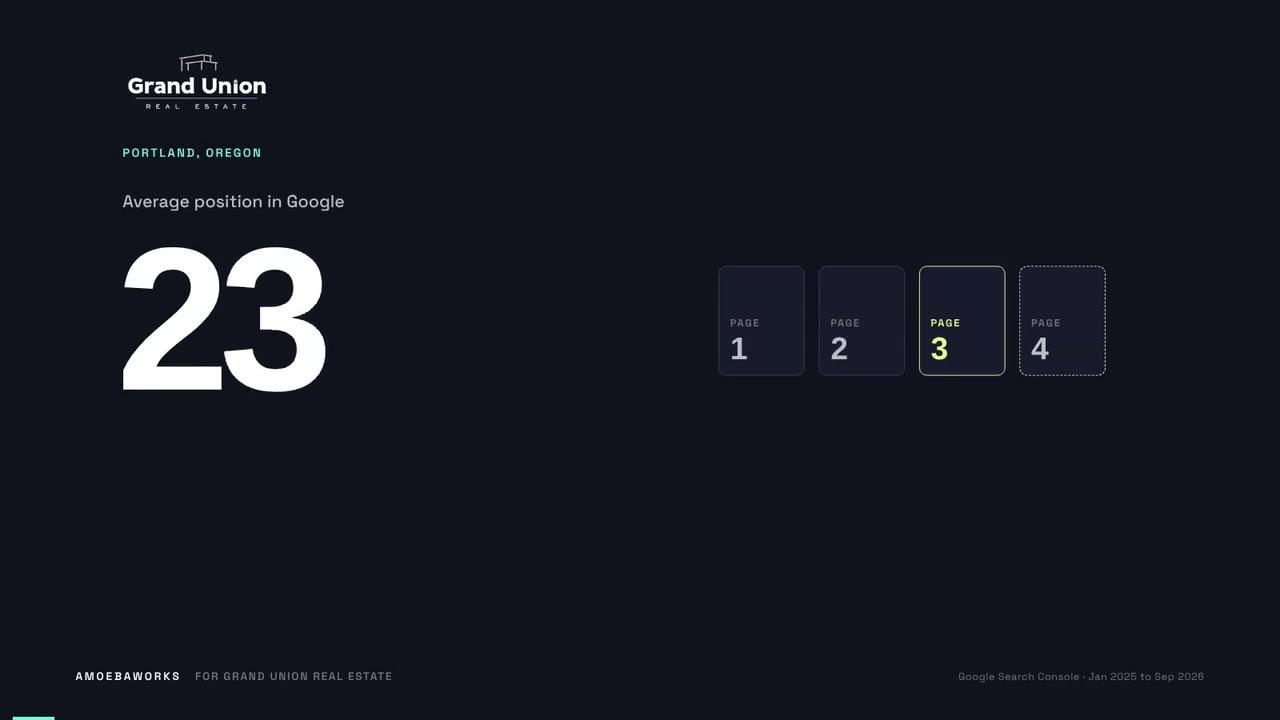
Average Google position.
Clicks from page-one rankings.
New guides reach page one within weeks of publishing.
Before, After, and the Thinking in Between.
The old site and the new one, the pages that carry the argument, three spreads from the visual system, and the strategy behind all of it. The first two tiles are the same business fourteen months apart.
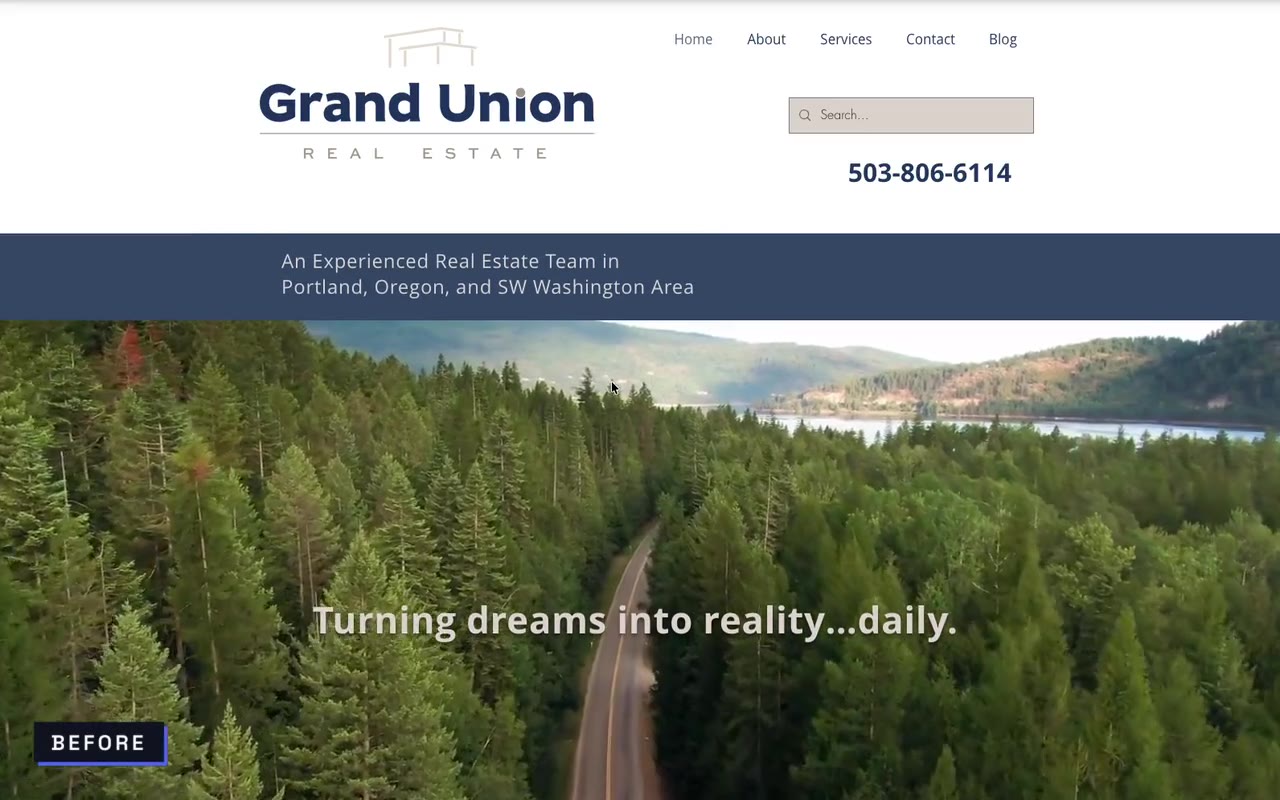
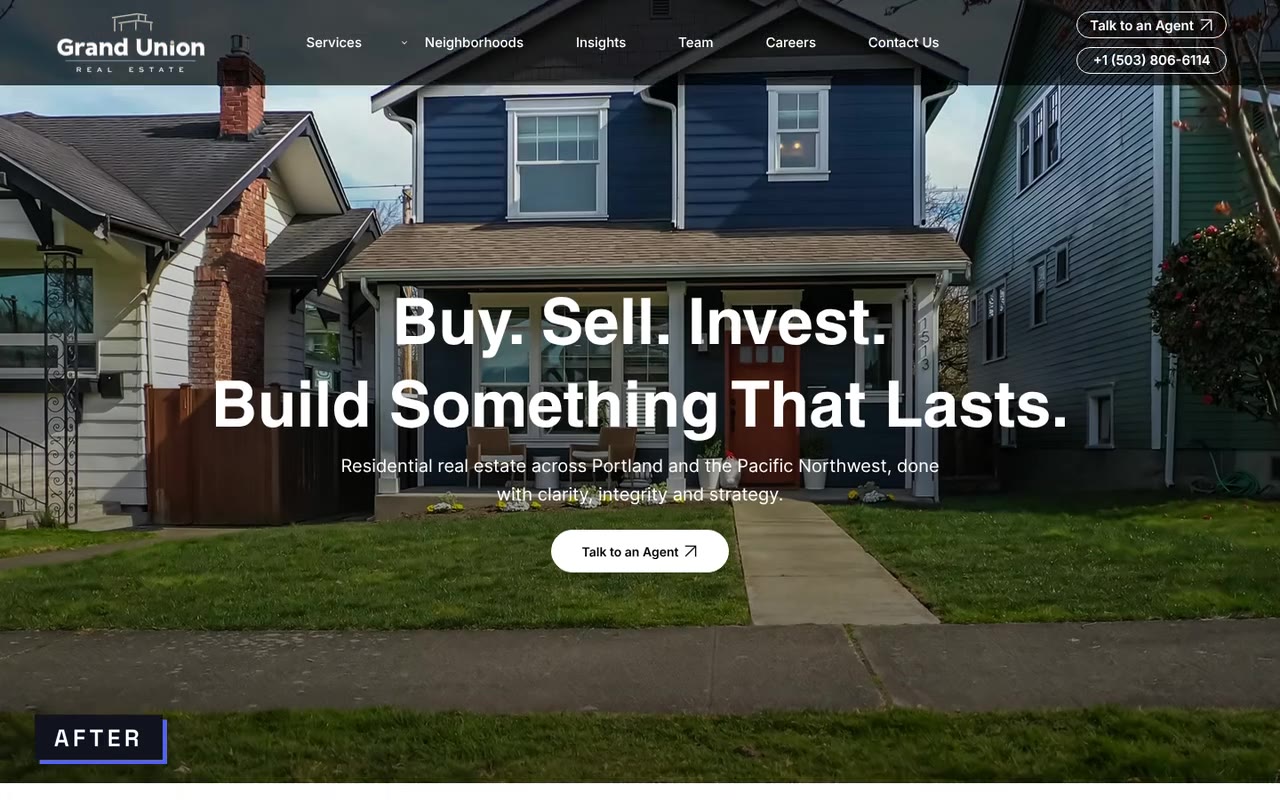
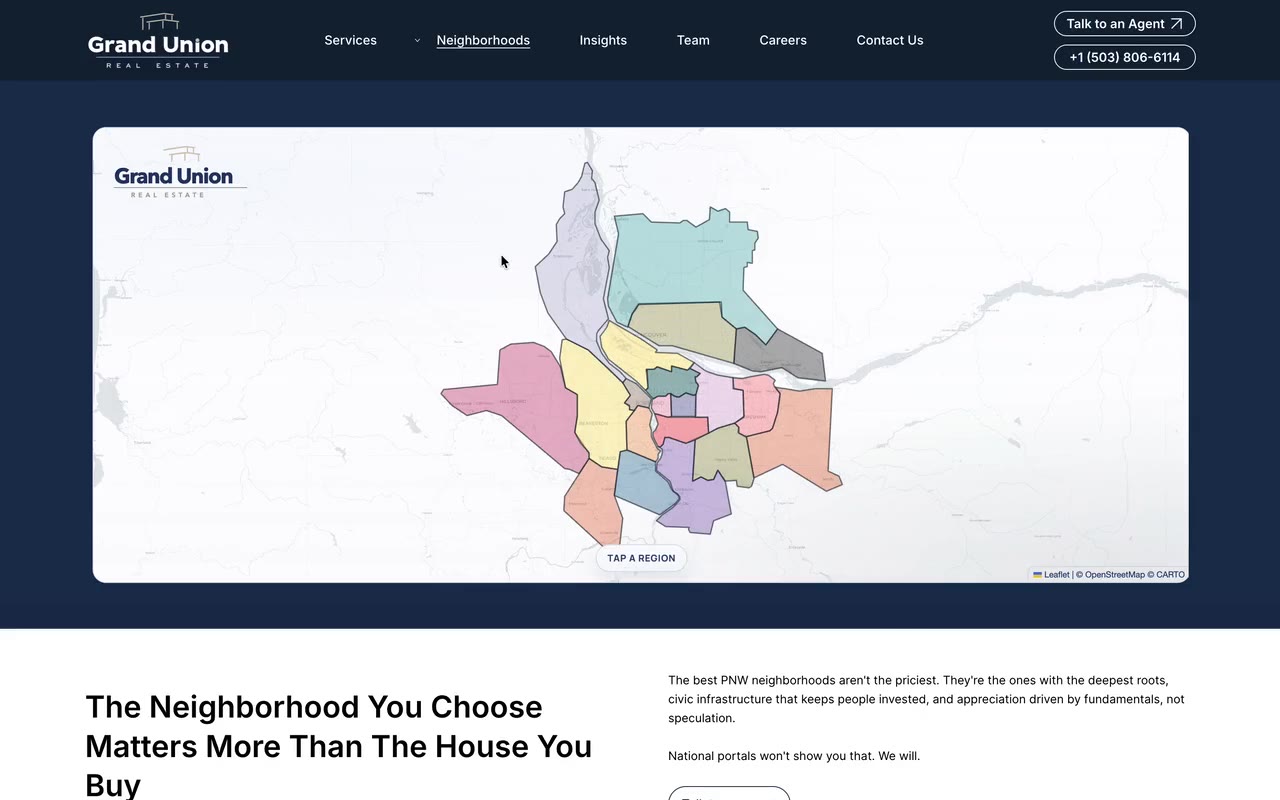
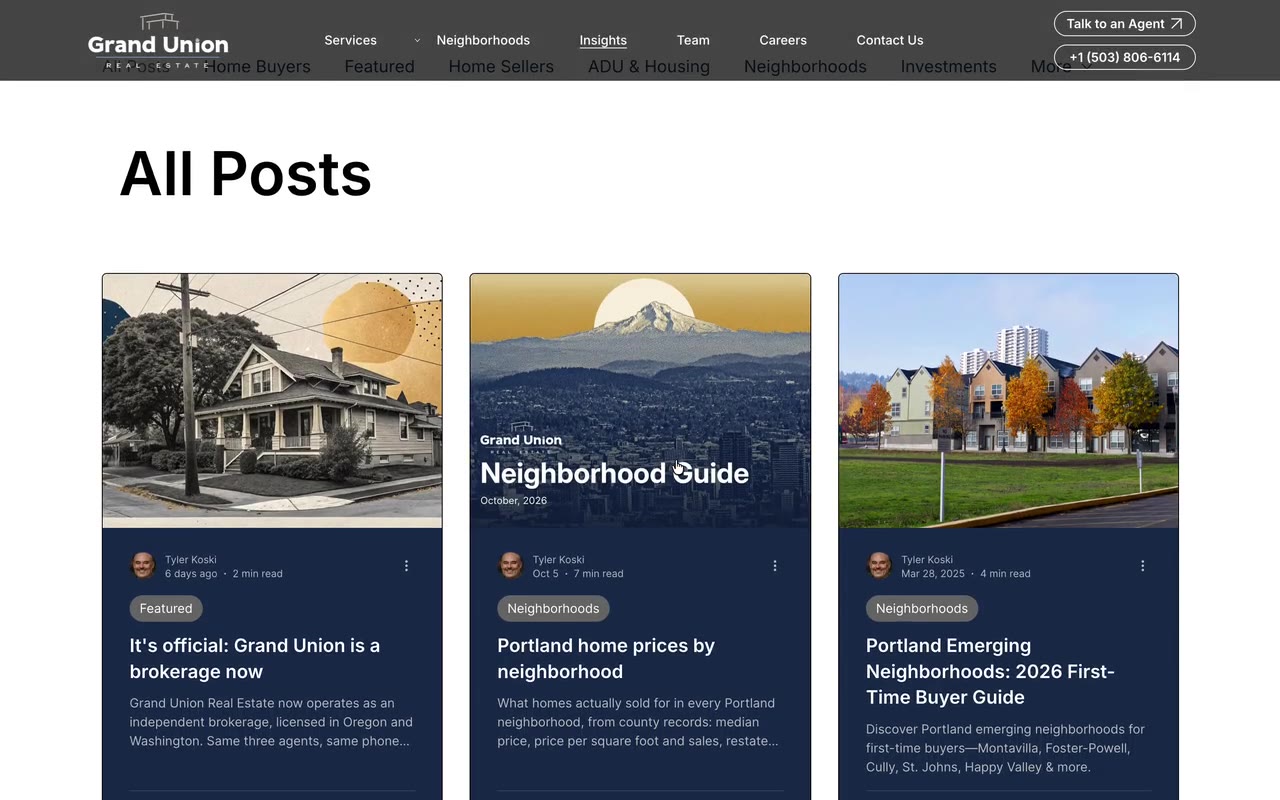
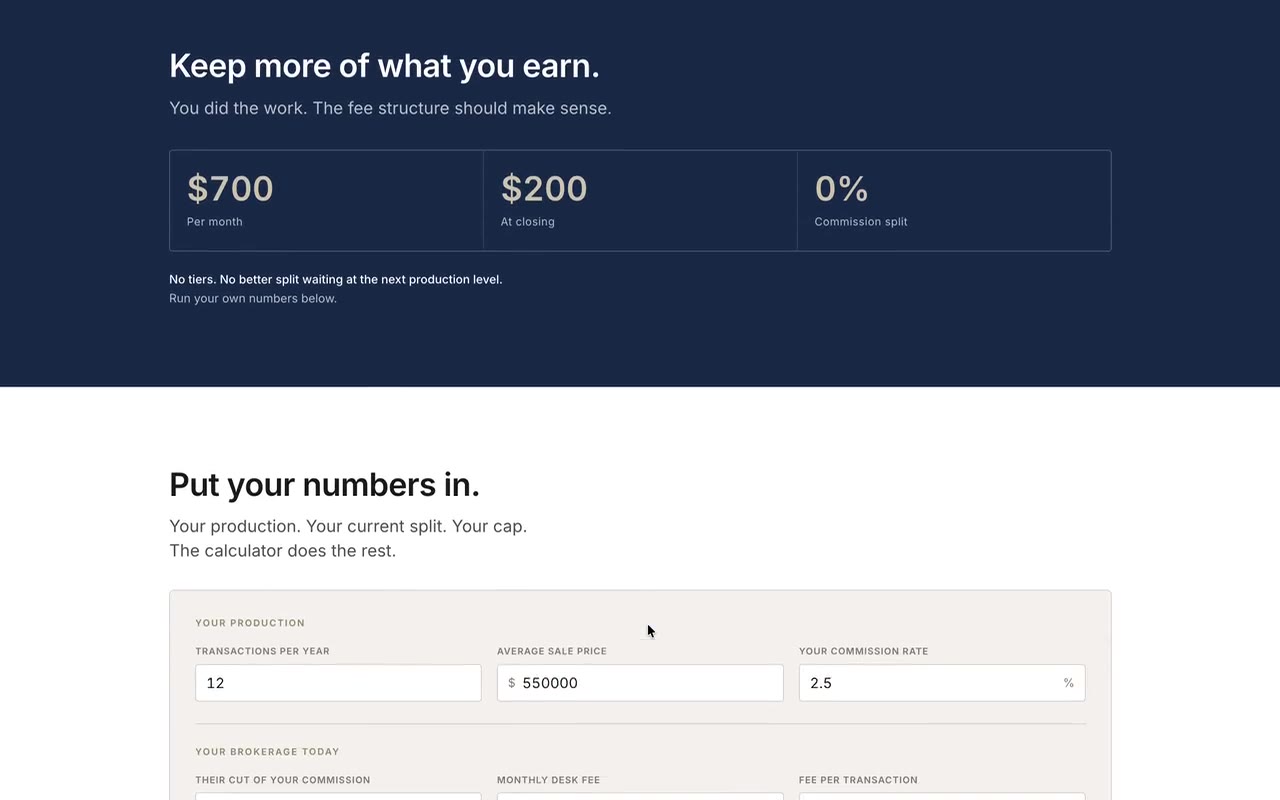

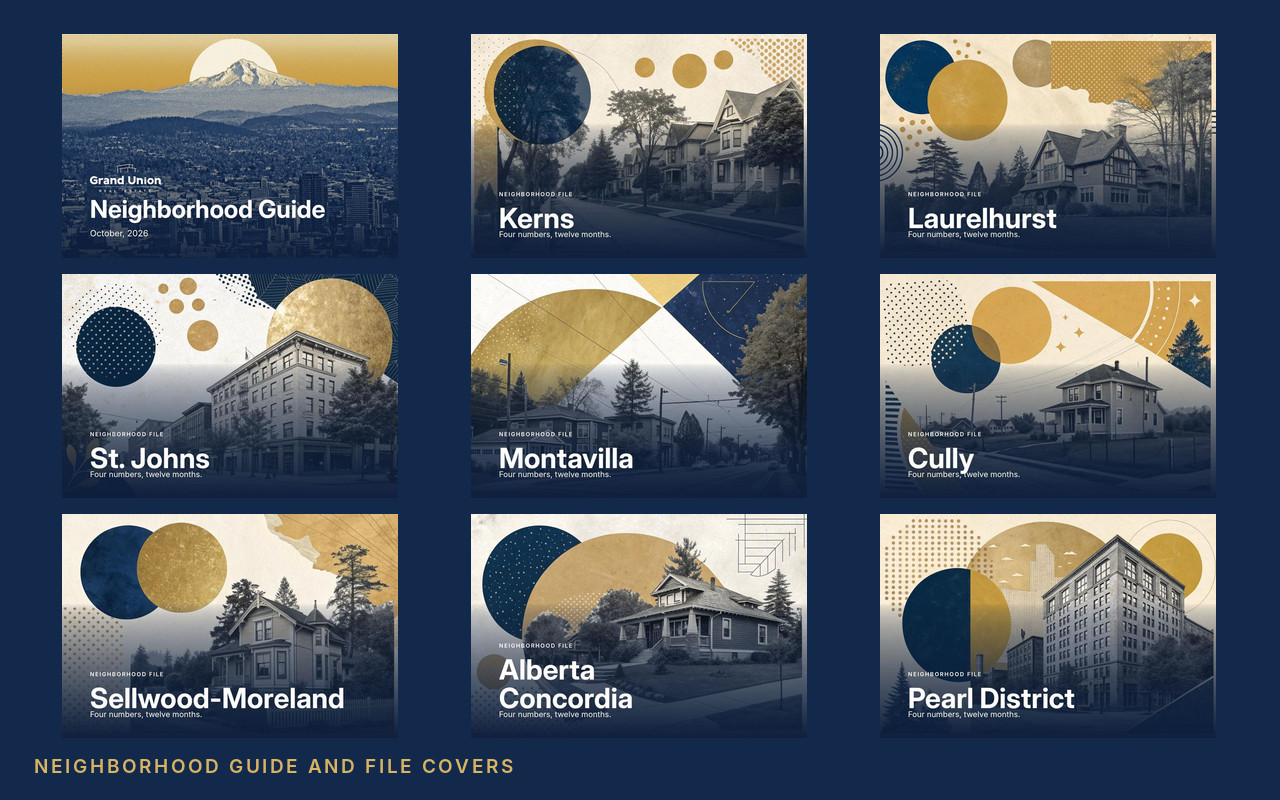
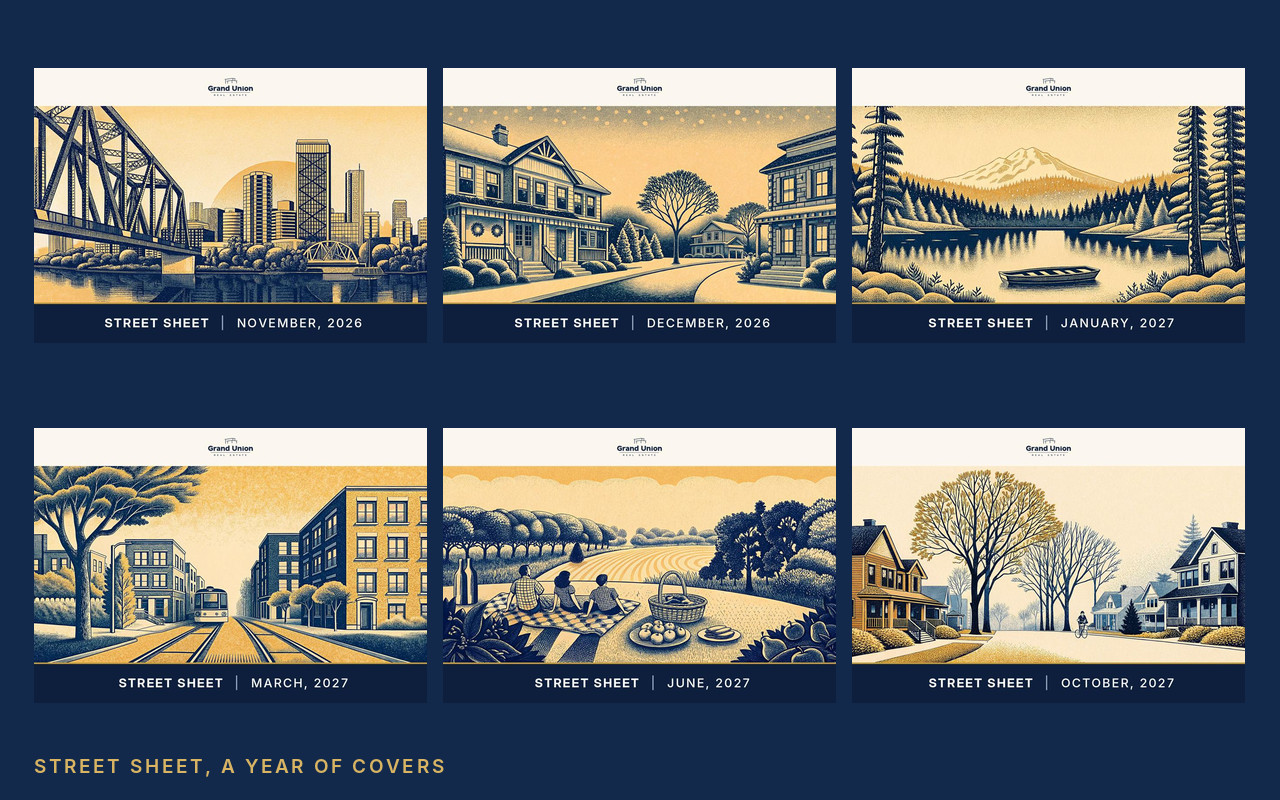


Recordings of the live sites, October 2026. The before is the previous site, captured from its builder. Visual system spreads from the style book of 21 October 2026.
More Marketing Wasn’t the Answer.
Tyler Koski wanted more social media for his real estate team. But more posting wasn’t going to give people a better reason to choose him over a larger brokerage, and he couldn’t outspend the big real estate platforms.
So we looked at the business before recommending more marketing. Tyler had spent years in outdoor education, affordable housing and real estate. There was a story there. The question was which part of it mattered most to the people he wanted to reach.
We Found the Difference. Then We Tested It.
We explored five directions: neighborhoods, community, ownership, long-term value and investment. Instead of choosing one in a meeting, we published content and measured what people responded to.
Across 118 blog posts, neighborhood articles averaged about 1,125 Google search impressions each. The next-best theme averaged 227. Nearly five times the visibility per post.
The insight was simple. Someone searching “Woodlawn home prices” is trying to understand a place, not find an agent. Grand Union could be useful long before someone was ready to buy or sell. That gave us something worth building around.
We Built Around What Worked. And Kept Checking.
Neighborhoods became the front door of the website. We built out local pages and a resource that draws on public sales records to update prices across 92 Portland neighborhoods every month. Grand Union now had something of its own: not a campaign, but local information people come back to.
We kept measuring. Average Google search position improved from 35 to 10.2. When rankings slipped back toward 20, we investigated the site instead of starting another content campaign. We found technical problems, corrected them, and saw rankings recover.
| Stage | Status | What we saw |
|---|---|---|
| Seen | Measured | Neighborhood content earned nearly five times the search impressions per post, and average position climbed to page one. |
| Engaged | Partly measured | Each email brought 40–70 visits to the site within two days. We could count the clicks, not what visitors did next. |
| Contacted | Not yet connected | Website inquiries weren’t tracked back to the marketing that brought people in. |
| Won | Not yet connected | Closed business couldn’t yet be traced to a visit or campaign. |
The early numbers showed where the strategy was gaining ground. They also showed what we still needed to measure.
A Business Built to Stand on Its Own.
Tyler went on to leave the national brokerage and launch Grand Union Real Estate as an independent firm. He had his own brand, a website built around what people actually search for, a regularly updated source of local information, and systems to support the business as it grows.
We can show the improvement in search visibility and early audience response. We can’t yet show how much revenue the website produced, because inquiry-to-sale tracking wasn’t in place from the start.
That’s something we’d do differently today: record where inquiries come from at the beginning, follow them through the sales process, and use the results to decide what deserves more investment.
Seeing the business differently told us what to build. Measuring what changed told us what to do next.
Amoebaworks.
Data: Google Search Console, 1 May 2025 to 30 August 2026.
Before You Spend More on Marketing, Find Out What’s Worth Fixing.
The Outside Read is a one-week, $1K look at your business from the customer’s side. We show you what’s getting lost, where to focus, and what deserves your next investment.
$1K · One focused week Start With an Outside ReadPeak Value & Associates
A Calendar Full of People Who Weren’t Ready.
Category Design → Brand → Content SystemSLATT
Nobody Was Buying “Fractional.”
Positioning · Brand System · SiteOaceus
The Bottleneck Wasn’t Marketing. It Was the Tax Code.
Sales Enablement → Capability Install → Content SystemSee the Rest
Observations and teardowns from the field.
Visit the case studies