Category Design: Create a New Class, or Compete in the Old One
In a crowded market, companies often compete for the same customers, tweaking features and launching campaigns. Market leaders, however, redefine the space by creating new categories, setting trends rather than following them.
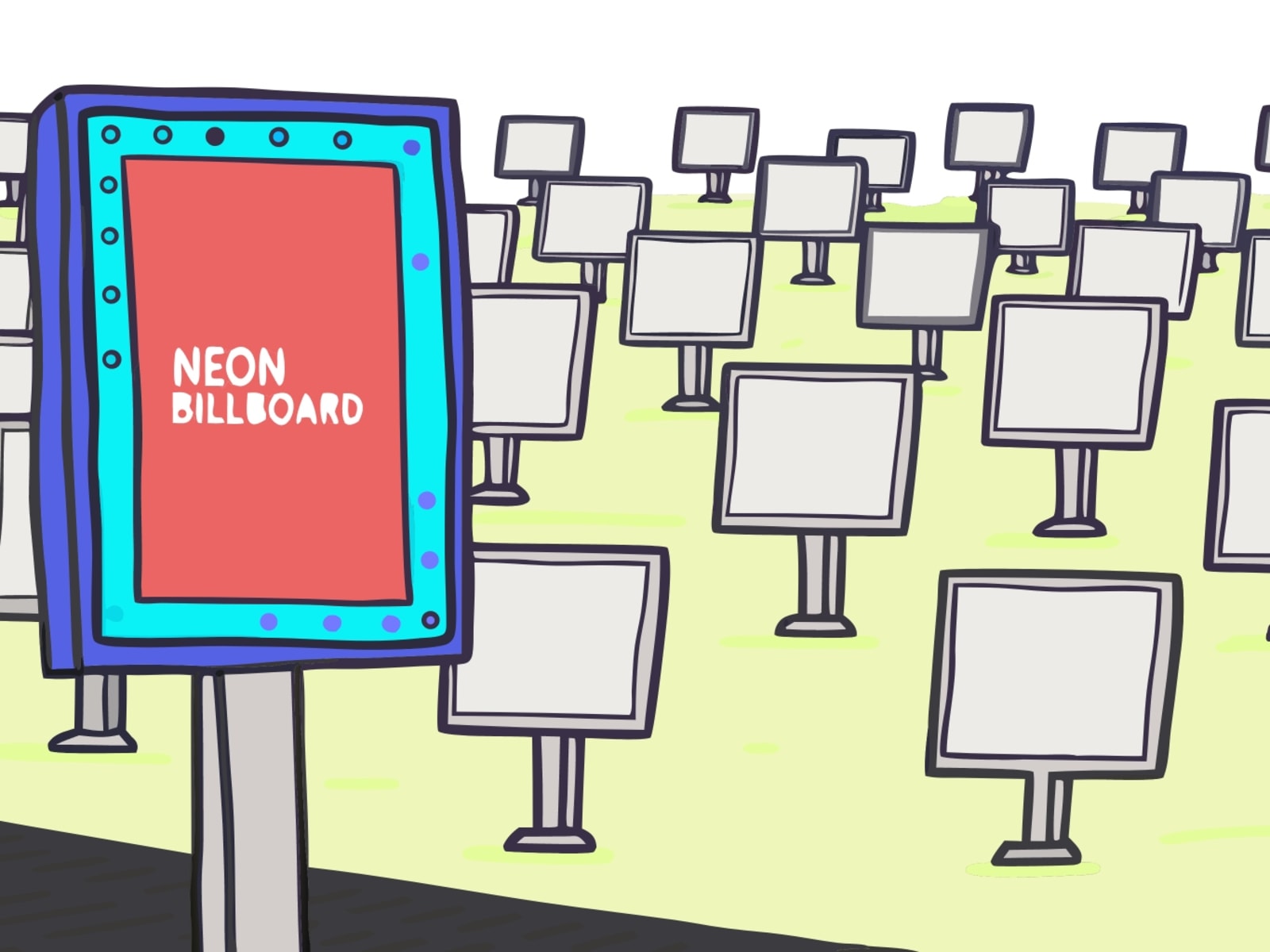
Most companies are stuck competing in existing space—fighting over attention, tweaking features, running outbound campaigns, trying to “win” the same customers with the same pitch.
It’s an expensive game. And for most, it doesn’t end well.
Here’s the pattern:
Smart people build a great product.
Marketing launches.
Customers shrug.
Another “better” thing fades into noise.
Market leaders don’t win that game. They change it.
They create a new class of solution—a category that didn’t exist before. And because they defined it, they own it.
Why Category Design Matters
Category design isn’t branding. It’s not positioning. It’s company design.
It’s the act of creating a new market segment with its own language, logic, expectations, and buying behaviors.
If you're the first to define the problem and show people a better way to solve it, you don't just get market awareness—you get market gravity. Customers don’t compare you. They default to you.
The upside?
Category kings take 70–76% of total market value.
Everyone else fights over what’s left.
Competing vs. Creating
Most marketing activity is about playing catch-up:
Launching faster
Improving UI
Out-pricing someone else
It’s an arms race inside a box someone else built.
Category creators don’t play that game.
They don’t ask “How do we win in this market?” They ask:
“What new class of solution should exist, and why doesn’t it yet?”
That’s disruptive innovation. It’s not just building a new product. It’s reframing how people think about the problem in the first place.
A Simple Example
Salesforce didn’t say, “We’re a better CRM.” They said, “No more on-premise software.”
That message wasn’t about features—it was a shift in logic.
They gave the market a new lens. And it stuck.
How Category Creation Actually Works
1. Insight
Start by naming what’s broken. Not the product—the belief system.
What assumptions are people making because “that’s how it’s always been”?
What’s the pain they’ve normalized?
What’s not being said, but shapes the entire buying decision?
This is where the correct language starts to emerge.
2. Define the New Class
Don’t try to sound better. Sound different.
If your pitch still fits neatly into an existing category, you don’t have one yet.
This is where you give shape to a new product category—a name, a frame, a future state.
You’re not just offering a solution. You’re making the old approach feel outdated.
3. Educate the Market
If you’re the first in a new class, the market won’t understand you at first. That’s normal.
So don’t just sell. Teach.
Show what’s broken
Explain the new logic
Make people feel like early adopters of a smarter path
This isn’t a one-off. Market education is an ongoing job. Think: playbooks, use cases, language guides, thought leadership.
It’s a critical success factor—and most skip it.
4. Build the Ecosystem
You’re not just building a product. You’re building a new ecosystem—one that reinforces your worldview.
Partners
Integrations
Community
Enablement content
Analysts and evangelists
This is how you raise switching costs and embed your logic into the market infrastructure.
5. Defend the Category
Once you’ve created the class, others will try to claim it.
That’s when fast followers show up.
To stay ahead:
Keep evolving the narrative
Reinforce the category logic
Extend your use cases
Align your go-to-market team around defending the vision
The goal isn’t just product leadership. It’s category dominance.
Why This Requires More Than Just Marketing
You can’t outsource this to your agency or a single marketer. Category design requires company alignment.
Your executive team must believe it and fund it.
Your product design must support the new logic.
Your go-to-market strategy must repeat it relentlessly.
Your customer engagement strategy must reflect it.
You’re not just launching a campaign. You’re launching a new market conversation.
It’s a new budget line item. A new mental shelf in your buyer’s brain. A new mental model.
How Category Creators Scale
Done right, a category becomes a self-fulfilling prophecy:
Awareness compounds. People talk about the category—not just your product.
Messaging spreads. Customers use your terms.
Growth gets more efficient. You don’t chase—people come to you.
Valuation goes up. Investors fund category creators, not also-rans.
Recruiting gets easier. Smart people want to work on something that feels new.
It’s not magic. It’s structure.
What It Takes
This is not for everyone.
It takes:
Smart people willing to think beyond the status quo
A game-changing product that solves a real, overlooked problem
A game-changing business model that makes the economics feel new
A significant investment in messaging, content, and GTM execution
Patience. You’re playing for market leadership, not short-term wins
What Breaks It
Here’s how category efforts stall:
You launch too soon without the messaging dialed in
You try to own multiple novel market segments at once
You underinvest in education, hoping the product speaks for itself
You let your story fragment across teams
You drift back into feature wars because it's “safer”
Every one of these cracks the foundation.
Why Now?
Category design isn’t a trend. It’s a necessity.
Markets are saturated. Channels are noisy. Incremental advantage gets erased overnight.
But a new class—a new way of thinking—can’t be copied easily. It’s not a tactic. It’s a worldview shift.
And in 2025, worldview beats feature set.
Bottom Line
You have two paths:
Compete in someone else’s category. Get stuck in price wars, funnels, and paid growth loops. Hope for solid organic growth.
Create a category. Set the terms. Lead the conversation. Capture the upside.
The second path is harder. Slower at first. But it pays off bigger and longer.
It’s how market leaders are made.
This isn’t about being louder. It’s about being first to say what everyone else is feeling—but hasn’t put into words.
Say it clearly. Design the class. And make your company the natural choice for people who are ready to move on from the old logic.
Why Tech Companies Are Owning Their Marketing Systems (Not Renting Them)
Modern tech companies are shifting away from rented agency models and embracing owned, integrated marketing systems—known as Adaptive Marketing Systems. These owned infrastructures continuously compound intelligence, driving exponentially higher ROI (748% vs. 46% for rented campaigns) and enabling true category creation. Category kings—those who lead new market categories—capture 76% of market value by owning their positioning, systems, and narrative. The approach blends three critical pillars: Category Design (positioning), Content Strategy (signal systems), and AI Systems (automation).
In fast-moving ecosystems like Portland, more budget and agencies haven’t solved persistent challenges—48% of tech teams feel overworked even as 67% expect growth. The culprit is the dependency cycle of external agencies, which erases institutional memory and slows momentum. Owned systems deliver compounding advantages: sharper positioning, smarter automation, and a content flywheel that gets faster and more cost-effective each year.
Key Takeaways:
Category creation requires ownership—category kings capture 76% of market cap
Owned systems deliver 748% ROI vs. 46-62% for agency campaigns
Three pillars for category creation: Category Design, Content Strategy, AI Systems
Portland tech firms compete via systems intelligence, not headcount
Want to understand the full blueprint for building permanent marketing advantage? Read the full article: Why Tech Companies Are Owning Their Marketing Systems (Not Renting Them)