Success Academy recruiting case study: a recruitment marketing strategy built like a movement
How Success Academy reframed recruiting as a movement—using a modular content engine and talent flywheel to drive +22% teacher applications and +15% retention.
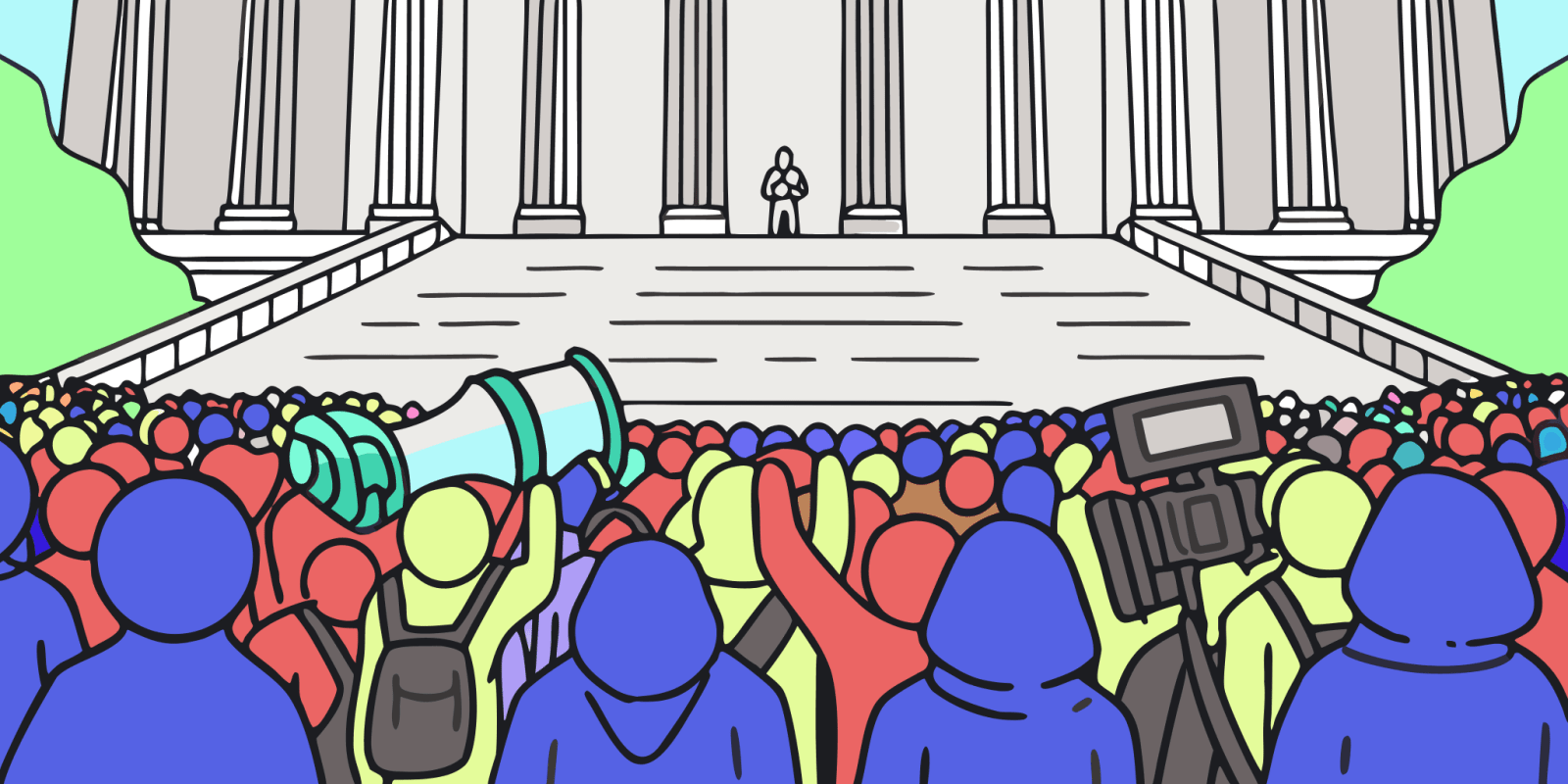
The problem wasn’t hiring. It was meaning.
Most education recruiting fails for the same reason most marketing fails:
It’s optimized for process, not belief.
Job postings. Info sessions. Career fairs. A funnel.
All technically correct.
And emotionally forgettable.
Success Academy had the outcomes—but recruiting still felt transactional. It wasn’t pulling in the purpose-driven top talent the network needed, at the volume it needed—and it wasn’t building a positive employer brand in the market.
This is the Success Academy recruiting case study: how we turned recruitment from a seasonal HR push into a recruitment marketing strategy (and real employer branding) built like a movement—always-on, visible, human, and consistent.
(If you want the short version first: Success Academy case study.)
What was happening (and why it stalled)
Success Academy is New York’s largest charter school network.
They had results.
But the hiring experience didn’t match the mission—or the values behind it.
Traditional recruiting treats teachers like applicants.
Purpose-driven candidates don’t want to be “processed.”
They want to be called into something.
And when the story doesn’t land, even a strong organization gets flattened into:
“just another school system hiring”
“just another education job”
“just another application portal”
That’s how mission gets commoditized—and how reputation erodes with the very job candidates you most want.
The insight: people don’t join schools. They join movements.
Recruiting isn’t just a staffing function.
It’s a belief transfer.
To attract mission-aligned educators, the hiring experience had to become a cultural signal:
visible
human
always-on
In other words, it needed to behave like marketing—but with higher stakes.
Because you’re not selling a product.
You’re asking someone to attach their identity to your mission.
That requires story, proof, and consistency—especially for passive candidates who aren’t actively searching but are watching for meaning.
What we built: a recruitment marketing strategy that compounds
We didn’t “do a campaign.”
We installed a system.
Here are the building blocks.
1) Recruitment reframed: from seasonal push to continuous signal
The first move wasn’t tactical.
It was strategic.
We reframed recruiting from:
a set of hiring moments
To:
an always-on narrative
So candidates didn’t just encounter openings.
They encountered a point of view—built for a clear target audience of mission-driven educators (and the school leaders who influence them).
This is the same principle that powers category leaders: the story shows up consistently enough to become real.
If you want to see how we think about that kind of consistency at scale, it’s the foundation of Brand OS: one place where the story, the stack, and the team agree—so ta teams (and broader talent acquisition teams) aren’t reinventing the message every hiring cycle.
2) A modular content engine (so recruiting could run like a system)
Recruiting content can’t rely on heroic effort.
Because hiring never stops.
So we installed a modular content engine built around:
alumni and educator stories
purpose-driven videos
emotional social proof
Not generic “we’re hiring” messaging.
Proof.
Human narrative.
Belonging cues.
This kind of social content works because it supports attraction long before an application—strengthening brand awareness and the online employer brand across the places candidates actually spend time.
Why modular matters:
It keeps quality high without rebuilding from scratch (more efficiency for lean teams).
It lets teams reuse and remix without losing the core story.
It makes recruiting visible between hiring spikes—so you don’t rely on a single “careers season” to fill open roles.
If you want the broader blueprint for building engines like this (across content, campaigns, and operations), start here: From zero to content engine: founder’s 90-day system blueprint.
3) A talent flywheel (advocacy loops that deepen belonging)
Applications are a lagging metric.
Belonging is the leading indicator.
So we built a talent flywheel—advocacy loops designed to deepen alignment before day one, across the entire candidate lifecycle.
This is what most recruiting ignores:
People decide long before they apply.
They decide when they see themselves in the story—when they become engaged candidates, not just clicks in a candidate funnel.
A flywheel approach does two things:
It creates momentum (the mission keeps showing up).
It creates reinforcement (candidates keep seeing proof).
That’s how recruiting stops being an episodic scramble.
And becomes a system that compounds—creating expanded candidate pools and a healthier candidate pool (and job applicant pool) over time.
4) One unified recruiting voice (so the message didn’t fracture)
Recruitment messaging often breaks because everyone says it differently:
HR says one thing.
School leaders say another.
Social says another.
Job listings say something else.
Candidates don’t experience that as “variety.”
They experience it as uncertainty.
So we unified internal and external teams around a single recruiting voice.
Not a script.
A shared narrative spine—so we didn’t end up with separate social accounts telling separate versions of the story.
That consistency matters at every touchpoint: events, DMs, the careers page, role descriptions, and the full candidate journey.
If you’re scaling content or using AI in any part of the workflow, this kind of alignment becomes even more critical—especially when hr technology or recruitment marketing automation technology is amplifying messages at scale. Two useful reads:
Results
Here’s what changed after the system shift:
+22% teacher applications
+15% retention
An always-on, systemized recruiting engine that compounds cultural momentum
Those aren’t just recruiting metrics.
They’re signal metrics—and measurable results tied to a more effective recruitment strategy.
They show the message was landing—and the right people were raising their hand.
Why it worked
Because it didn’t feel like recruiting.
It felt like a revolution.
More specifically:
We didn’t treat candidates like pipeline.
We treated recruiting as culture.
We built an engine that could run without constant reinvention.
That last part is the real differentiator.
Most organizations can launch a recruiting push.
Very few can sustain a recruiting system—and translate it into a strong employer brand that consistently attracts the best talent.
The framework: how to build a recruitment marketing strategy that actually works
If you’re trying to modernize recruiting—education or otherwise—use this framework as a practical recruitment marketing guide.
1) Start with the belief (not the benefits)
Benefits help people compare.
Beliefs help people commit.
Answer:
What do we stand for?
What do we refuse?
Who thrives here?
(That’s how values become visible—and how employer branding becomes credible.)
2) Translate mission into proof
Mission statements don’t convert.
Proof converts.
Use:
alumni outcomes
teacher stories
day-in-the-life content
real moments from the work
company culture highlights that show expectations, not perks
3) Build modular assets, not one-off campaigns
One-off campaigns spike.
Systems compound.
Your content should be built so it’s easy to:
repurpose
update
reuse
distribute
This is where focused recruitment marketing efforts beat scattered posting—especially when you want consistent output across channels (including blogs) without burning out the team.
4) Design the flywheel
A flywheel needs:
a steady rhythm (always-on signal)
participation loops (advocacy, community, referrals)
clear onboarding steps (from interest to application)
In practice, that means planning for the top stages of the funnel (awareness and consideration) just as intentionally as the bottom—and being clear about your recruitment marketing goals beyond “more applications.”
5) Unify the voice across teams
Your recruiting voice should sound like one organization.
Not five departments.
If that unity doesn’t exist, potential candidates feel the seams—and passive candidates bounce before they ever convert.
6) Measure signal, not just volume
Applications matter.
But so does what happens before applications:
content engagement
conversion rates from story pages
show-up rates to events
candidate quality indicators
This is the difference between “we posted more jobs” and “we built a recruiting engine.”
For a bigger lens on systems that get smarter over time, this is worth reading: Living systems, not static decks.
What the broader research says (quick context)
Recruitment marketing is increasingly being treated like brand building—not just job distribution.
A few solid references:
LinkedIn’s overview of employer branding and why it matters for attracting candidates. LinkedIn on employer branding
The National Education Association’s perspective on recruit-and-retain strategies for addressing educator shortages. NEA: recruit and retain educators
The Institute of Education Sciences (REL Northwest) summary of strategies for recruiting, hiring, and retaining diverse teachers. IES resource
(And while rankings like Universum can influence perception, the real lever is the day-to-day story candidates experience.)
FAQ
What is recruitment marketing?
Recruitment marketing is the use of marketing tactics (story, content, distribution, brand signal) to attract the right candidates—before they apply.
It’s employer branding, content strategy, and candidate experience working together—turning a hiring process into a positive employer brand signal.
What is the difference between employer branding and recruitment marketing?
Employer branding is the story of what it’s like to work with you.
Recruitment marketing is how you distribute that story—consistently—so the right people find it, trust it, and act on it.
What is a “talent flywheel”?
A talent flywheel is a system that turns culture into compounding recruiting momentum.
Instead of relying on periodic pushes, it uses always-on signal plus participation loops (advocacy, social proof, community) to make recruiting easier over time.
The takeaway
Success Academy didn’t just improve recruiting.
They changed what recruiting felt like.
Because in mission-driven work, people aren’t looking for a job.
They’re looking for a cause they can join.
And once recruiting becomes a movement-level signal, you don’t just fill roles.
You build belief at scale—protecting your reputation, strengthening your employer branding, and creating a consistent engine for attracting top talent.
If you want to explore more examples of systems like this across industries, start here: Amoebaworks case studies.