Different > Better: How to Actually Stand Out in the Market
Discover why "different" outshines "better." Transform your brand from overlooked to unforgettable by breaking the norm and embracing bold uniqueness.
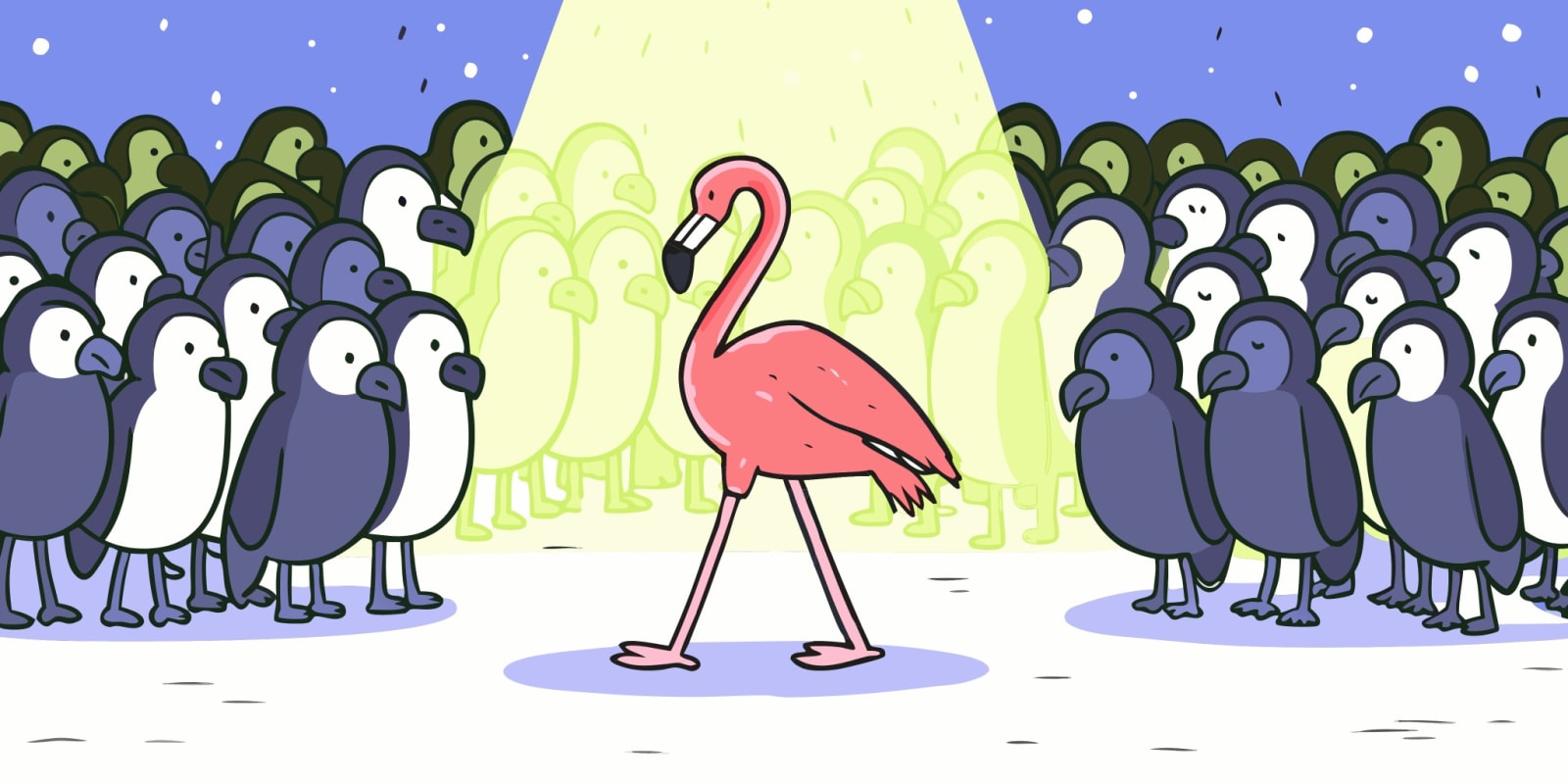
Most brands don’t fail because they’re lazy. They fail because they follow the script—refining messaging, optimizing product offerings, upgrading “exceptional customer service”—and still vanish in a blur of sameness.
They chase “better.” But in today’s saturated markets, better is invisible. Different wins.
You’ve refined your unique value proposition, invested in brand awareness, and trained your sales teams to deliver shiny sales pitches. Still, you’re not getting the attention you deserve.
Here’s the strategic truth: in crowded categories, product differentiation is just the price of entry. It’s not a growth lever.
“Better” is a race to the bottom. “Different” is a leap into a new game.
Most coaching businesses (and the wider coachingbusiness world), B2B startups, and even global brands default to logical improvements—faster, cleaner, smarter. But these aren’t strong points of differentiation strategy. They’re features that your competitors can copy in a quarter.
🛠️ Actionable tip: If your brand identity (and overall brand profile) feels flat, revisit your differentiation strategy. Are you truly addressing emotional pain points—or just rearranging features?
Better feels logical. Safer. Easier to sell internally. But that safety is exactly what makes your message forgettable.
Consumers don’t want a superior product—they want transformation. They want to feel different. “Different” earns attention by breaking through the pattern-recognition software of the brain.
“Better” solves problems. “Different” reshapes beliefs (and changes which problems people think are worth solving).
In the fight for customer preference, logic doesn’t move the needle—emotion does. That’s how you move from being a product to becoming an earned brand.
🛠️ Actionable tip: Use customer surveys to find what your target audience believes, not just what they say they want—and compare it against their real customer profile.
High-profile launches rarely succeed because of specs alone. Look at leading brands:
Liquid Death ignored “better hydration” and built a personal brand on rebellion.
Oatly turned “weird on purpose” into a system that built loyalty and virality.
Tesla didn’t just offer a better car—it made buying one feel like joining a revolution.
None of these brands relied on surface-level brand differentiation tips or optimized product specs. They shifted the view of what the category could be.
They made the old category feel obsolete. That’s what “Different” does.
🔗 Explore how: Category Design: Create a New Class
This three layer framework works because it’s built for the real world—where trusted professionals and fast-moving teams need differentiation that actually holds up in the work of go-to-market.
1. Name the Invisible Scripts
Most industries rely on tired logic—“great customer experience,” “fast onboarding,” or “top-tier support.” These scripts have lost their power.
By naming and flipping the default assumptions your competitors all share, you create a compelling brand story and become a client-attracting magnet.
🛠️ Actionable tip: Map your category’s clichés. Then contrast them with your audience’s real tensions.
2. Create and Defend Your Own Class
Don’t just compete on features. Create your own lane. This isn’t a copy tweak—it’s a strategic approach that informs your entire go-to-market, from product messaging to product offerings.
Think of this as more than messaging—it’s your trust = people moment. Your brand must become someone they know, not just recognize.
🛠️ Actionable tip: Package your unique value proposition into a three-word narrative that captures a worldview shift.
3. Build Systems, Not Just Campaigns
Most brands operate in fragmented tactics: one-off ads, disconnected offers, occasional branded events. The best brands install systems that compound attention.
Your sales teams shouldn’t just deliver features—they should guide your customers through an emotional journey and make the buying process feel inevitable.
🛠️ Actionable tip: Use the Brand OS to turn every channel into a coordinated reinforcement loop.
Goal | Beat competitors | Make competitors irrelevant |
|---|---|---|
Mental Frame | “We’re faster, cleaner, cheaper” | “We see the world differently” |
Emotional Position | Familiar, safe | Bold, resonant |
Pricing Power | Weak (commodity status) | Strong (emotional premium) |
Customer Experience | Functional | Identity-driven |
Brand Memory | Low—blends into category | High—anchors to belief/identity |
Category Outcome | Compete in the current space | Redefine the space entirely |
🛠️ Actionable tip: View case studies from high-leverage brands like NYT and Boxee/Samsung to see how it’s done.
“Different” only works if you install it across your operations:
Sales calls become story sessions—not product demos.
Your brand experience becomes a strategic system—not a series of assets.
Every campaign reinforces your worldview. Every touchpoint becomes a client-attraction moment (clientattraction #marketingforcoaches).
🛠️ Actionable tip: Ask yourself: “Are we telling customers what we do—or why it matters to who they’re becoming?”
In a world of options, consumers don’t just choose what works. They choose what aligns with who they want to be.
“Better” tells a story about specs.
“Different” tells a story about them.
That’s what converts brand awareness into loyalty—and attention into advocacy.
You need a bolder frame.
The future belongs to brands that stop refining yesterday and start reframing tomorrow.
Choose:
Clarity over clutter.
Story over features.
A system over stunts.